
Kenya, a land renowned for its breathtaking landscapes and rich cultural tapestry, is also a treasure trove of gemstones that allure collectors and jewelry enthusiasts worldwide.
Nestled within its vast terrains are deposits of some of the world’s most sought-after gems, each telling a unique story of geology, history, and artisanal endeavor. From the deep greens of the rare Tsavorite garnet to the dazzling reds of ruby, Kenya’s gemstone wealth is as diverse as it is captivating.
This article embarks on a journey to explore the vibrant world of Kenyan gemstones, unveiling the beauty, locations, and stories behind these natural wonders. Whether you’re a seasoned collector, a jewelry aficionado, or simply enchanted by the allure of the Earth’s treasures, join us as we delve into the heart of Kenya’s gemstone riches.
Tsavorite
Tsavorite, or tsavorite garnet is a captivating gemstone that stands out for its vibrant, rich green color. It’s a variety of the mineral garnet, specifically belonging to the grossular garnet family.
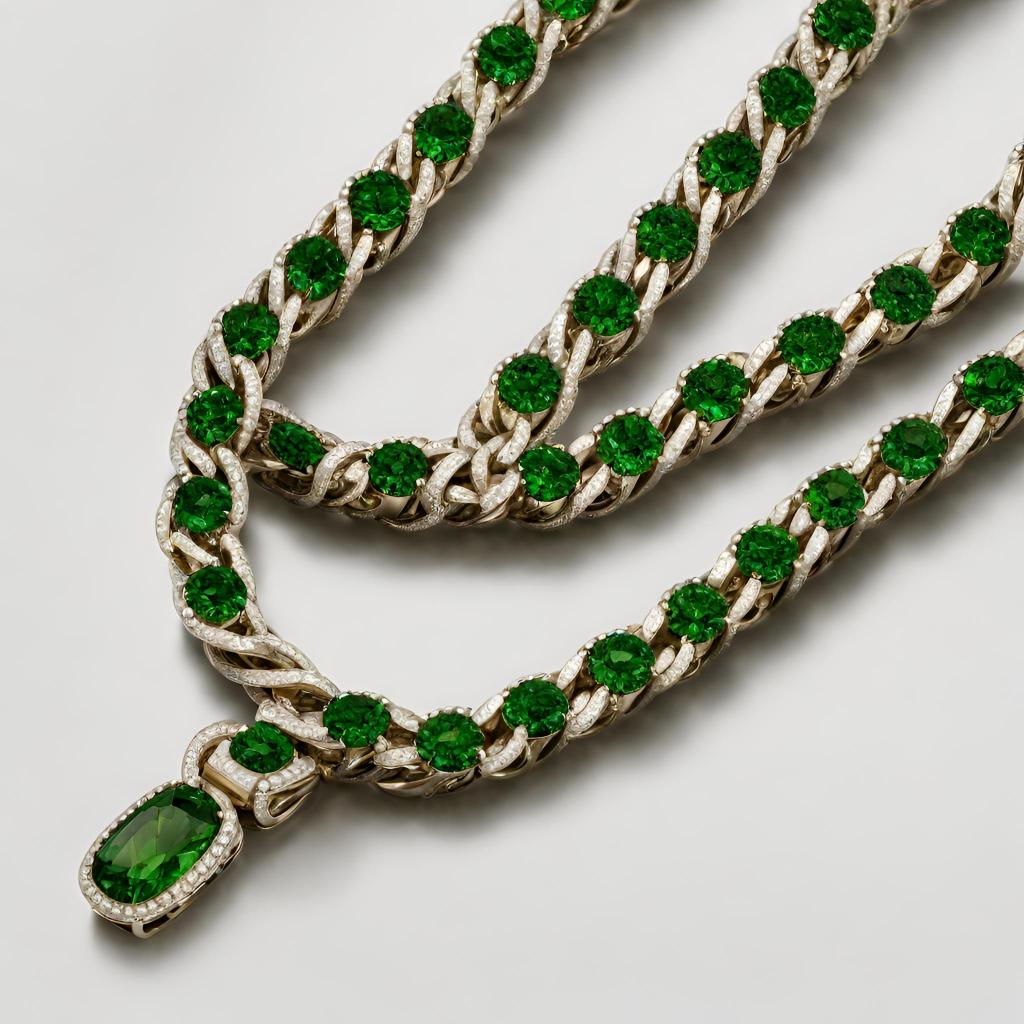
What makes tsavorite so special is its striking color, which can range from a fresh, bright green to a deep, forest green. This is largely due to the presence of vanadium and sometimes chromium in the mineral.
Where to find tsavorite
Discovered in the 1960s, Tsavorite was named after the Tsavo East National Park in Kenya by the famous gemologist Campbell Bridges, who found the first deposits of this gemstone near the park. It has since been found in other parts of East Africa, including Tanzania, making this region the primary source for this exquisite stone.
Why is tsavorite expensive?
Tsavorite garnet is not just loved for its beauty; it also boasts great durability, making it suitable for all kinds of jewelry. With a rating of 7 to 7.5 on the Mohs scale of mineral hardness, it’s resistant enough for daily wear. Unlike many other gemstones, tsavorite is not typically treated to enhance its color or clarity, meaning that the stone’s natural beauty shines through exactly as it is found in the earth.
People often choose tsavorite for its brilliance and color as a more affordable, yet equally stunning, alternative to emerald. Plus, its relative rarity adds to its allure among collectors and gemstone enthusiasts. Whether set in a ring, pendant, or earrings, Tsavorite garnet adds a touch of natural elegance and vibrant color that’s hard to overlook.
Amethyst
Amethyst is a captivating gemstone known for its beautiful shades of purple, ranging from light lavender to deep violet.
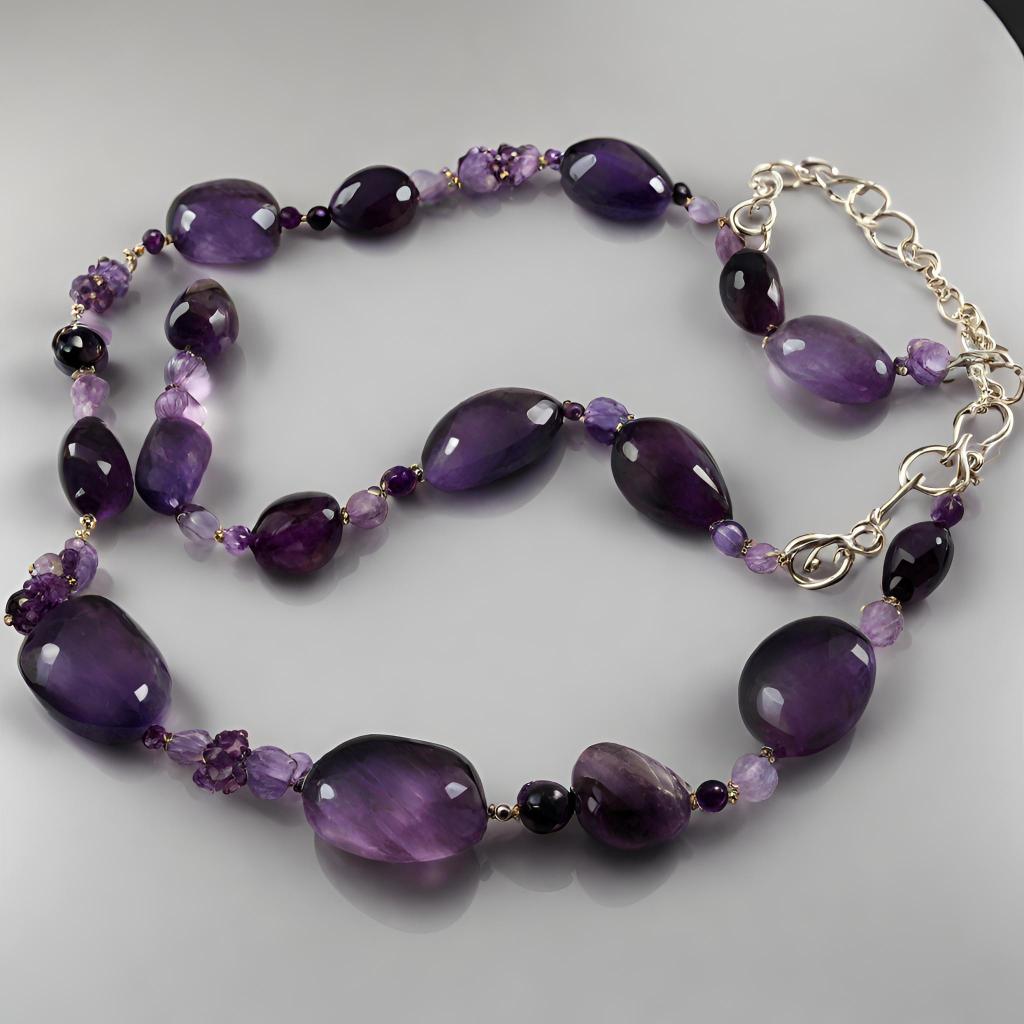
It’s a variety of quartz, a mineral composed of silicon dioxide, and owes its stunning purple color to iron impurities and the presence of trace elements, which, when irradiated (naturally by the earth or artificially), cause the crystal to turn its characteristic purple.
Why is amethyst so valuable?
Historically, amethyst has been highly valued for its beauty and purported healing properties. It was once considered a “cardinal gem,” on par with diamonds, sapphires, rubies, and emeralds, meaning it was one of the most precious gemstones.
Its name comes from the Ancient Greek “amethystos,” meaning “not intoxicated.” This name reflects the ancient belief that wearing amethyst or drinking from a vessel made of it could prevent drunkenness—a myth that ties to its wine-like color and highlights its historical significance in various cultures.
Where to find amethyst
In Kenya, amethyst deposits are primarily located in the northern regions, including areas around the Taita Hills near Tsavo National Park, and other parts of the country known for gemstone mining.
It is also widely distributed and found in several parts of the world, with major deposits in Brazil, Uruguay, Madagascar, Zambia, and Russia. This widespread availability has made it a popular choice for jewelry and decorative items. Despite its abundance, high-quality amethysts, especially those with deep colors and large sizes, can still command high prices.
Other fascinating facts about amethyst
In addition to its aesthetic appeal, amethyst is February’s birthstone and is associated with several metaphysical properties. It’s believed to bring clarity of mind, calmness, and protection from negative influences, making it a favorite among those who value gemstones for their healing qualities.
With a hardness of 7 on the Mohs scale, amethyst is durable enough for everyday wear but should still be treated with care to avoid scratching and exposure to high heat, which can cause color fading.
Whether set in jewelry or used as a decorative object, amethyst continues to be cherished for its beauty, rich history, and the sense of tranquility it brings to its admirers.
Aquamarine
Aquamarine is a beautiful gemstone that captures the essence of the sea with its stunning range of blue hues, from the lightest sky blue to the deep blue of ocean waters.
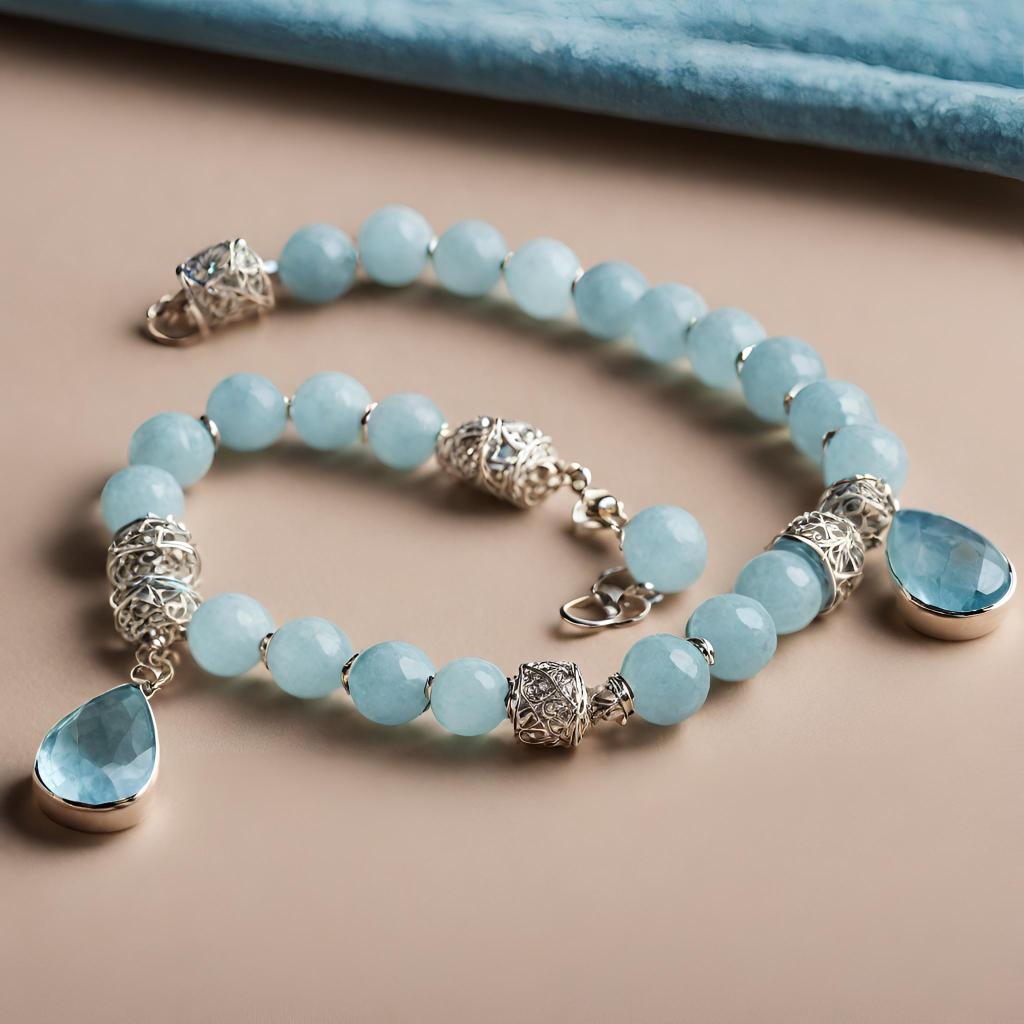
It belongs to the beryl family, which also includes emeralds, and its color is due to the presence of iron ions within the crystal structure. The name “aquamarine” comes from the Latin words “aqua marina,” meaning “sea water,” a nod to its tranquil blue color that has charmed people for centuries.
Where to find aquamarine
Aquamarine is found in several parts of the world. In Kenya, aquamarine can be found in several locations, with the most notable deposits being in the Taita-Taveta County, particularly around the Tsavo area.
This region is renowned for its rich gemstone resources, including tsavorite, garnet, and indeed, aquamarine. The gemstones from this area are part of the Mozambique Belt, which is known for its wealth of minerals.
The aquamarines from Kenya are appreciated for their clarity and range of blue tones, from lighter shades to deeper, more vibrant hues. Mining in these areas is often carried out by small-scale and artisanal miners, who play a crucial role in the local economy by extracting and selling these gemstones.
Other major deposits in Brazil, Madagascar, Russia, and Pakistan. The sizes in which aquamarine crystals are found can be quite large, making it possible to create impressive statement pieces as well as more delicate items of jewelry.
Why aquamarine is so valuable
This gemstone is not just loved for its beauty; it’s also valued for its clarity and transparency, which can rival even the finest of gemstones. The most sought-after aquamarine stones are those with a deeply saturated blue color, which are rarer and, therefore, more expensive. However, even lighter blue aquamarines have a delicate appeal and are widely popular in jewelry.
Historically, aquamarine was believed to protect sailors on voyages, calm waves, and keep the seas peaceful. It’s also thought to bring harmony to relationships, making it a popular gift between couples. Beyond its folklore, its serene color is believed to evoke feelings of tranquility and relaxation.
With a hardness of 7.5 to 8 on the Mohs scale, aquamarine is durable enough for daily wear but, like all gemstones, should be treated with care to prevent scratches and damage. It’s also the birthstone for March, making it a meaningful gift for those born in that month.
Ruby
Ruby is one of the most coveted gemstones in the world, renowned for its vibrant red color.
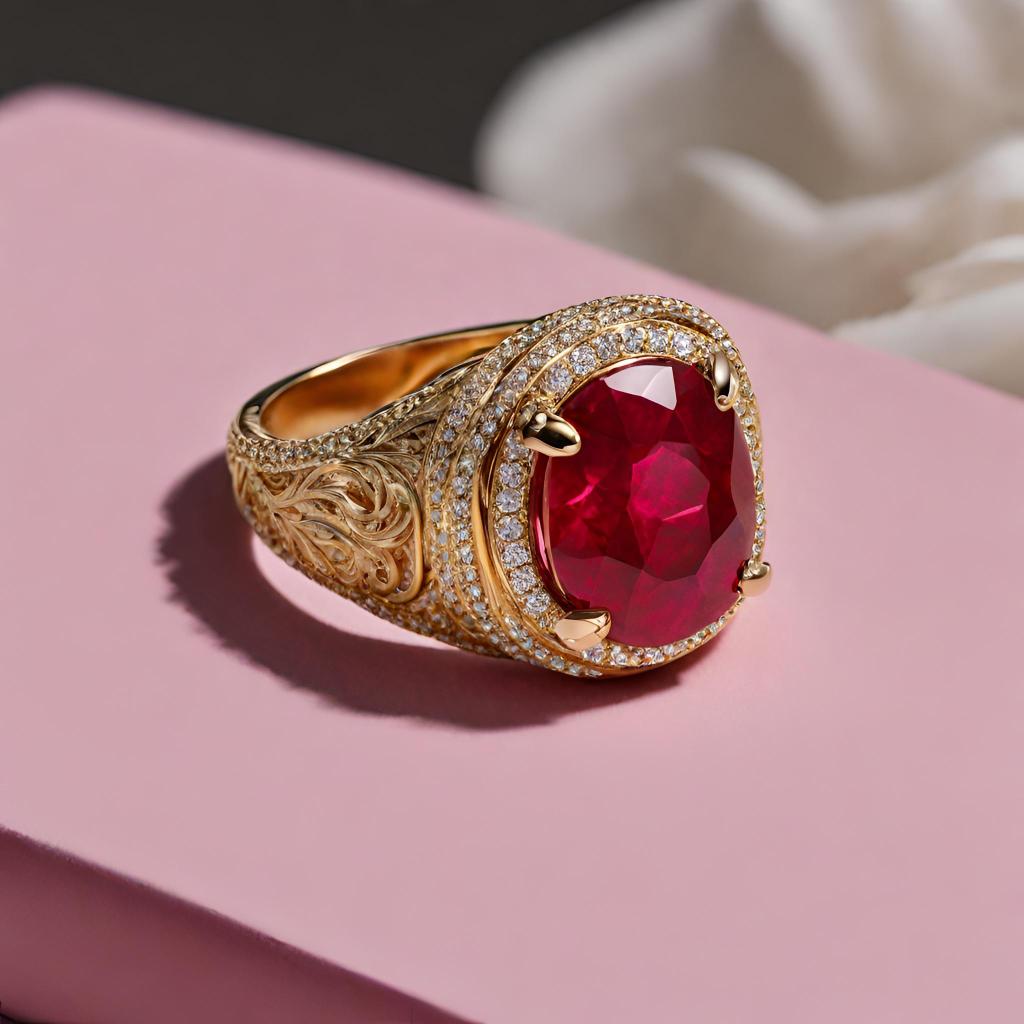
It belongs to the corundum family, the same mineral species as sapphire, but it stands out because of its deep, rich red hues, which can range from pinkish-red to a deep, pigeon blood red. The color of a ruby is its most significant characteristic, largely determining its value. The most sought-after shade is a deep, vivid red with a hint of blue, often referred to as “pigeon blood” red.
Where to find rubies
Ruby mining in Kenya primarily occurs in the Tsavo region, specifically around the area known as Tsavo East National Park. This region is part of a larger geological formation that extends into neighboring Tanzania, where the famous Tanzanite gemstone is found. The rubies from Tsavo are known for their beautiful, deep red color, which can sometimes have a purplish hue.
Rubies are also found in various parts of the world, with the most prized stones traditionally coming from Myanmar (Burma). Other significant sources include Thailand, Sri Lanka, Madagascar, and East Africa. The origin of a ruby can influence its value, with Burmese rubies often commanding the highest prices because of their exceptional color quality.
Why are rubies so expensive?
The value of a ruby is determined by its color, clarity, cut, and carat weight, with color being the most critical factor. High-quality rubies can fetch higher prices per carat than diamonds, especially for stones over one carat in size.
The intense color of rubies comes from traces of chromium in the mineral. The more chromium present, the stronger the red coloration. However, chromium can also cause fractures and inclusions within the stone, making large, flawless rubies extremely rare and valuable.
Historically, rubies have been revered for thousands of years, symbolizing passion, protection, and prosperity. They were worn by royalty and warriors as talismans believed to offer protection in battle. In many cultures, rubies represent love and passion, making them a popular choice for engagement rings and romantic gifts.
With a hardness of 9 on the Mohs scale, rubies are second only to diamonds in durability, making them an excellent choice for everyday jewelry. Despite their toughness, they should be cared for properly to maintain their brilliance.
Sapphire
Sapphire, a gemstone as deep and vast as the oceans and skies it often resembles, is celebrated for its stunning array of colors and its remarkable durability. It’s a variety of the mineral corundum, just like ruby, with the primary difference being in color.
While rubies are known for their vibrant red hues, sapphires encompass a wide spectrum of colors except red, which includes the most well-known royal blue, as well as pink, yellow, orange, green, and even colorless.
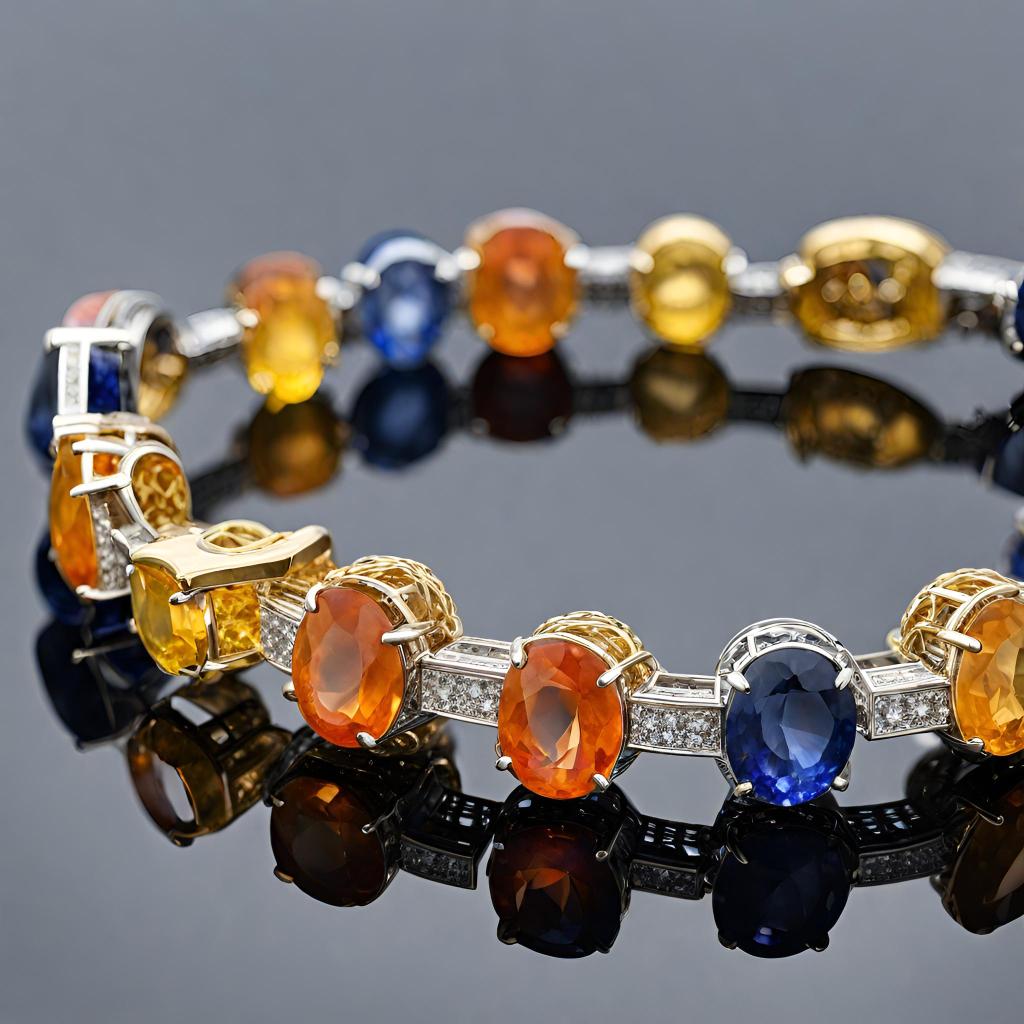
The presence of trace elements like iron, titanium, chromium, copper, and magnesium within the crystal lattice gives sapphires their color. For instance, the iron and titanium combination is responsible for the iconic blue sapphire.
The word “sapphire” comes from the Greek word “sappheiros,” which was likely used to refer to lapis lazuli and later associated with the blue variety of corundum. Blue sapphires have been highly valued for centuries, symbolizing nobility, truth, sincerity, and faithfulness, making them popular in royal insignia and engagement rings.
Where to find sapphire
Sapphires are found in various locations around the world, including Kenya, Kashmir, Myanmar (Burma), Sri Lanka (Ceylon), Madagascar, Thailand, and Australia, among others. The origin of a sapphire can significantly affect its value, with Kashmiri sapphires being particularly prized for their exquisite velvet-like blue color and smooth texture.
The beauty of sapphires
Beyond their beauty, sapphires are incredibly durable, ranking 9 on the Mohs scale of mineral hardness, making them second only to diamonds and suitable for everyday wear. This durability, combined with their vibrant colors, makes sapphires a favored choice for all types of jewelry, from engagement rings to earrings and pendants.
Sapphires are not just celebrated for their physical properties but also for their symbolic significance. They are believed to attract blessings, bring peace and wisdom, and protect against negative energies. Because of this, they are often worn as talismans.
The treatment of sapphires is a common practice to enhance their color and clarity. Heat treatment, in particular, is widely accepted and can make the beauty of sapphires more accessible without altering their inherent qualities. When purchasing a sapphire, it’s essential to consider not only its color, clarity, cut, and carat weight but also whether it has been treated, as this can affect its value.
Kenya’s gemstone market is vibrant, with small-scale mining operations contributing significantly to the local economy and providing jewelry for both local and international markets. The mining practices can vary, with many operations being artisanal. Despite the challenges these miners face, including access to markets and fair pricing, their work enables Kenya to be part of the global gemstone community.
 Cyrus Wahome
Leave a comment