
A garnet is a type of mineral that’s well-known for its beauty and durability, making it popular in jewelry. Garnets are not just a single mineral but a group of several closely related minerals, each with its own unique color, chemical composition, and properties.
Types of Garnets
Garnets include varieties like:
- Almandine
- Pyrope
- Spessartine
- Grossular (which includes tsavorite)
- Andradite
- Uvarovite
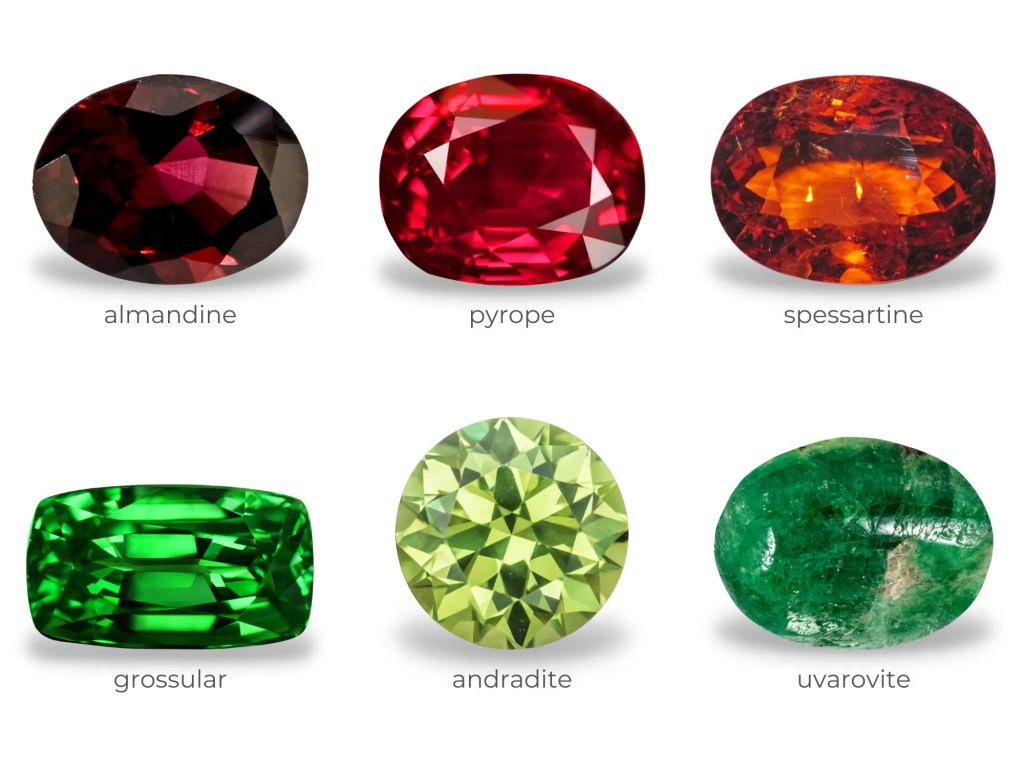
One of the cool things about garnets is their wide range of colors. They can be red, orange, yellow, green, purple, brown, blue, black, pink, and even colorless. The most common color is red, but the rarest is blue, which is highly sought after by collectors.
Where to Find Garnets
Garnets are found all over the world, including in Africa, Asia, Australia, Europe, North and South America. They’re formed under high temperature and pressure conditions in metamorphic rocks (like schist and gneiss) and some igneous rocks (like granite).
Garnets have a long history, dating back thousands of years. Ancient civilizations treasured garnets for their beauty and durability.

Garnets were popular in jewelry and as decorative items. People believed garnets had protective powers, especially during travels and in battles.
Why are Garnets Expensive?
The price of garnets can vary widely, influenced by several key factors that contribute to their value and, consequently, their cost.
Not all garnets are expensive, but certain varieties stand out for their rarity, beauty, and demand, which can drive up their prices. Here’s a closer look at why some garnets are expensive:
- Rarity: Rarity is a significant factor in the pricing of garnets. Varieties like Tsavorite and Demantoid are relatively rare compared to more common types like almandine or pyrope garnets. The rarer a garnet, especially in high quality and larger sizes, the more expensive it will be.
- Color: The color of a garnet greatly affects its value. Vivid colors, such as the bright green of Tsavorite or the rich green with a hint of golden-yellow in Demantoid, are highly prized. The more intense and desirable the color, the higher the price.
- Clarity: Like many gemstones, the clarity of garnets influences their price. Garnets with fewer inclusions (internal flaws) are more valuable. Some garnets, such as those used in fine jewelry, need to be nearly flawless, which makes them more expensive.
- Size: Larger garnets of high quality are rare and, therefore, more costly. This is especially true for garnets like Tsavorite and Demantoid, where finding stones larger than a few carats in high quality can be challenging.
- Demand: The demand for certain types of garnets can also affect their price. As garnets become more popular in jewelry and among collectors, their value may increase, particularly for the varieties that are not as easily sourced.
- Treatment: Most garnets are not treated, which is a selling point for many buyers. The natural beauty of garnets without the need for enhancement makes them more desirable and can contribute to a higher price, especially compared to other gemstones that are often treated to improve their appearance.
- Source: The geographic origin of a garnet can also influence its price. Garnets from certain locations might be more sought after due to their unique characteristics or because the mines are no longer productive, adding to their rarity and value.
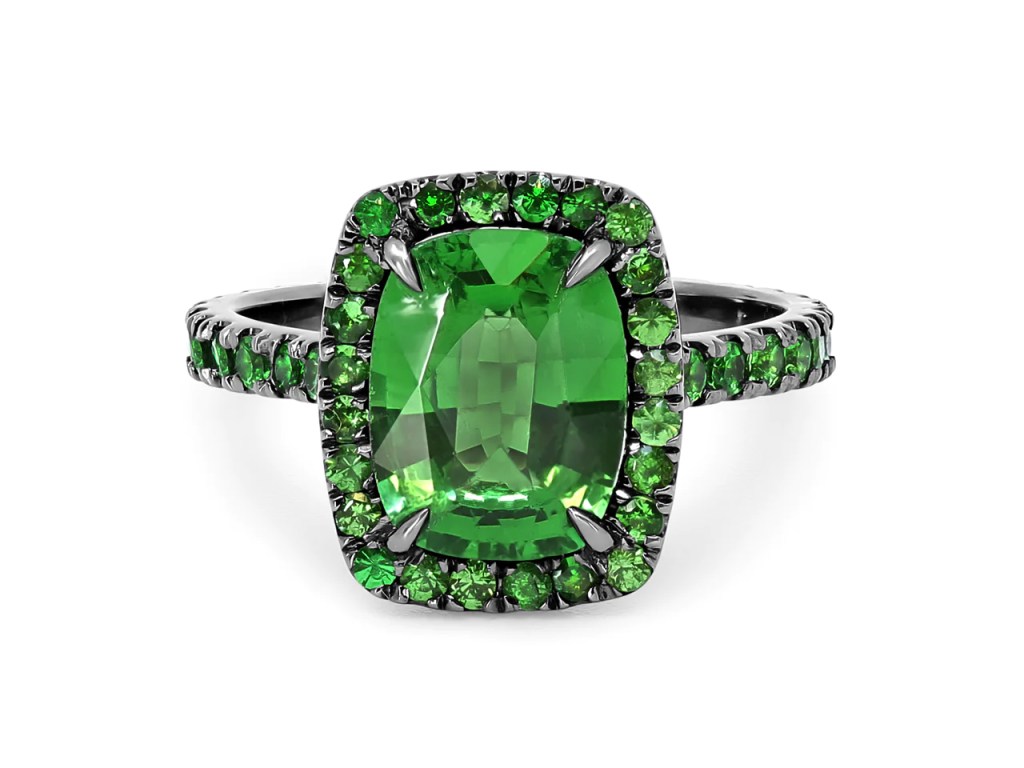
While some garnets are relatively affordable, these factors can combine to make certain varieties expensive. The uniqueness, beauty, and lasting appeal of garnets, especially the rare types, make them cherished by collectors and jewelry enthusiasts alike, contributing to their premium pricing in the gemstone market.
What makes garnets especially cool for science and jewelry fans is their strong chemical bonds, giving them a high level of hardness and resistance to wear.
They score between 6.5 and 7.5 on the Mohs scale, making them durable enough for everyday jewelry use. Plus, garnets are often used in abrasive materials like sandpaper and in water filtration systems because of their hardness and chemical stability.
In summary, garnets are not just beautiful gemstones with a wide range of colors; they’re also fascinating from a geological and historical perspective, cherished for their beauty, durability, and the lore that surrounds them.
 Cyrus Wahome
Leave a comment